Locally Integrated Globally Connected Universally Inspired
A transformation uniting humanity, nature, and technology — shaping a new face for Indonesia toward a sustainable and inspiring future.
The Rise of New Hope for the Nusantara
Rooted in the traces of the past, the Nusantara emerges as a symbol of renewal—a place where humanity, nature, and technology converge to shape Indonesia’s future, one that is just, sustainable, and meaningful for generations to come
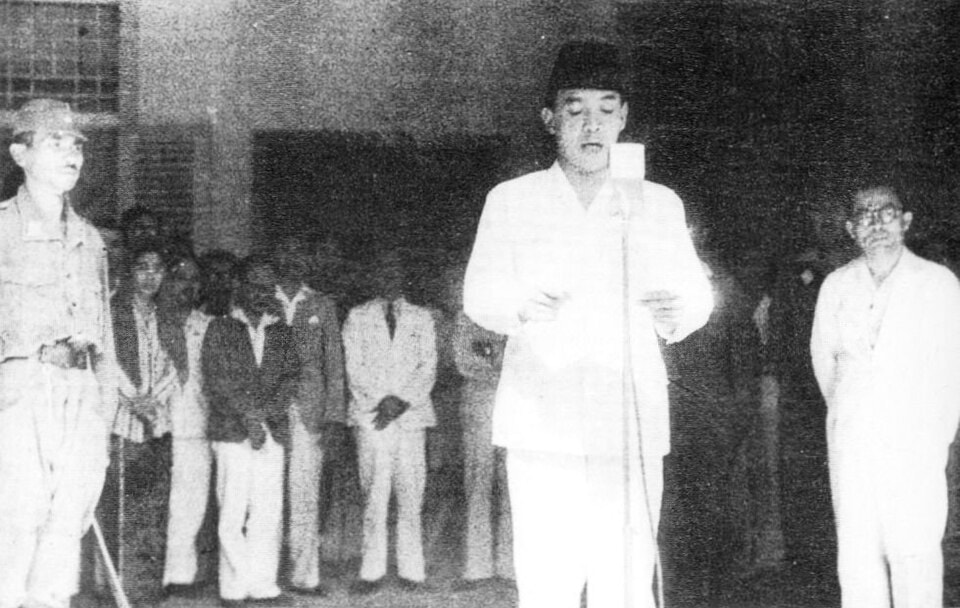
Jakarta
After the Proclamation of Independence, Jakarta became a symbol of the birth of the Republic of Indonesia. From this city, the spirit of unity and the ideals of independence flourished, establishing it as the first center of government of the newly founded nation.
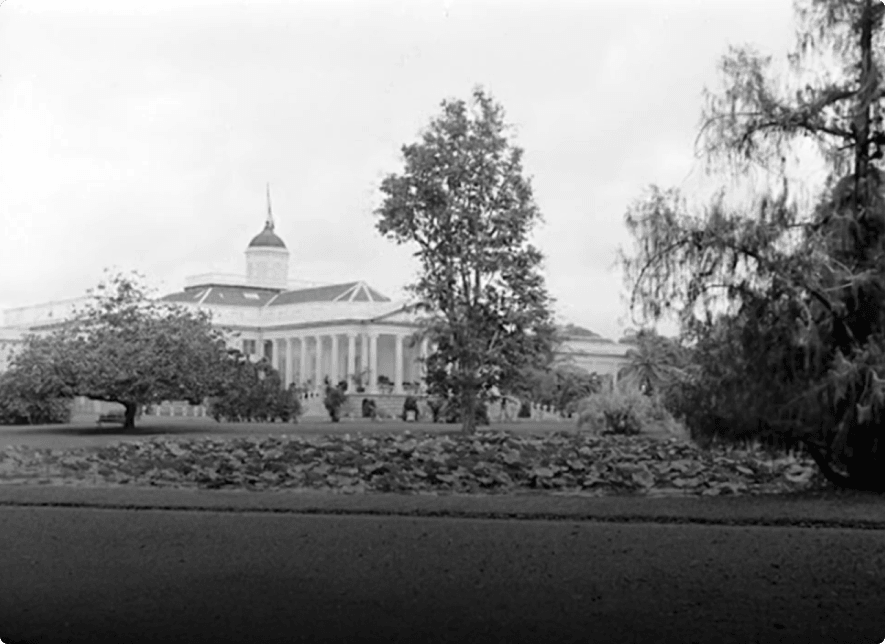
Bogor
After sovereignty was restored and internationally recognized, Bogor became a center for governmental activities and the official residence of the President at the Bogor Palace, prior to the formal designation of Jakarta as a Special Capital Region (DKI Jakarta) in 1961
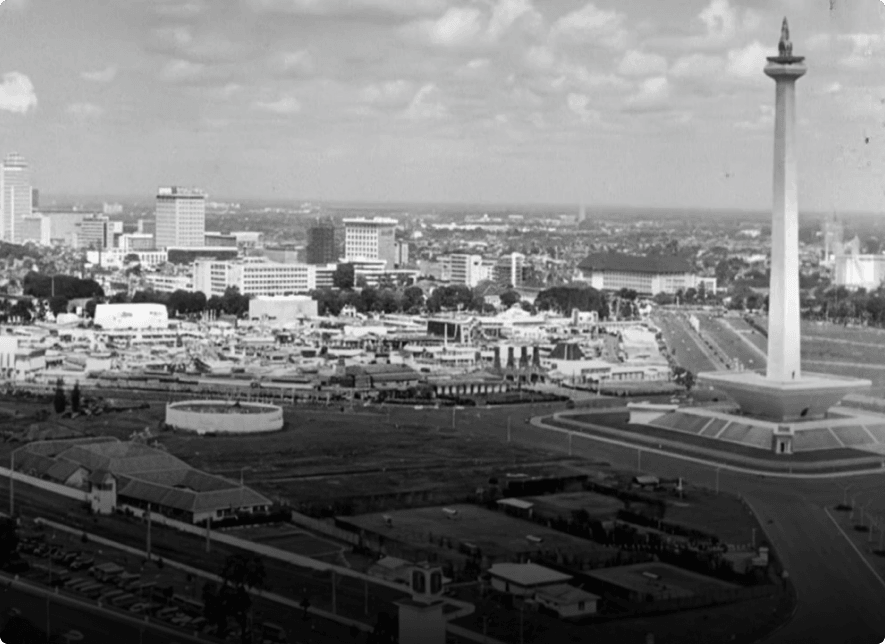
DKI Jakarta
President Soekarno designated Daerah Khusus Ibukota (DKI) Jakarta, thereby establishing it as an administrative region directly under the authority of the central government
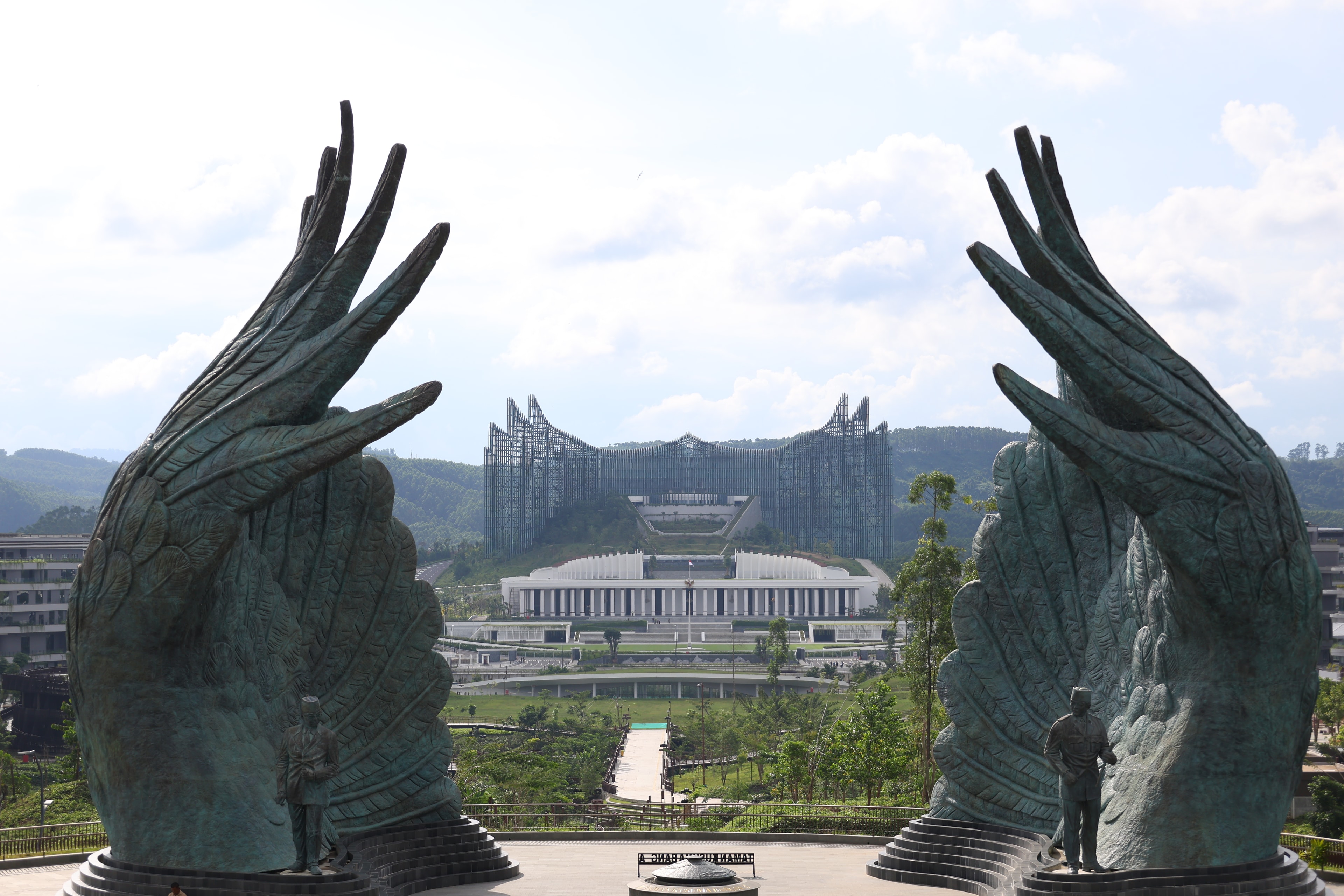
Ibu Kota Nusantara
President Joko Widodo officially inaugurated Ibu Kota Nusantara as the new national capital, with a vision to develop a modern, green, and sustainable center of government.
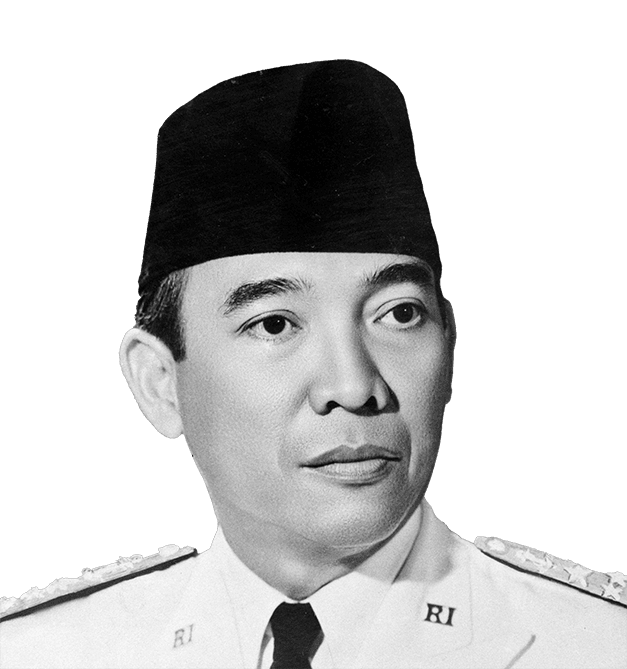
Soekarno
The 1st President of the Republic of Indonesia
Periode Jabatan 1945 – 1967
In 1957, President Soekarno proposed the relocation of the national capital to Palangka Raya while inaugurating the city as the capital of Central Kalimantan.
Source: National Archives of the Republic of Indonesia
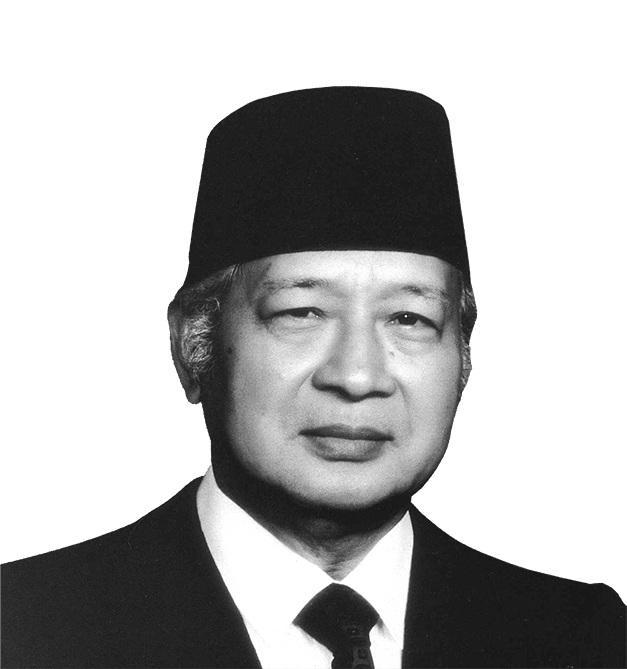
Soeharto
The 2nd President of the Republic of Indonesia
Periode Jabatan 1967 – 1998
In 1997, President Soeharto issued Presidential Decree Number 1 of 1997 concerning the coordination of the development of the Jonggol area as an independent city, intended to serve as a center of government.
Source: National Archives of the Republic of Indonesia
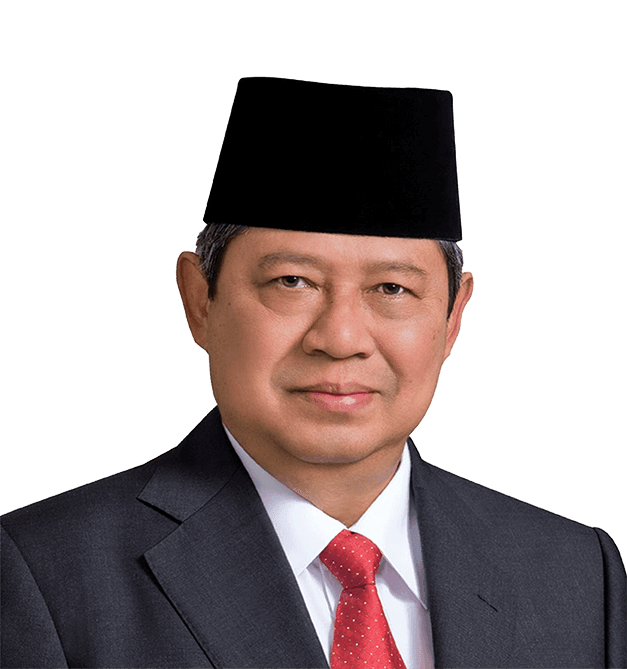
Susilo Bambang Yudhoyono
The 6th President of the Republic of Indonesia
Periode Jabatan 2004 – 2014
In 2013, President Susilo Bambang Yudhoyono proposed a scenario to either retain Jakarta as the capital while comprehensively redeveloping it, or to relocate the center of government outside Jakarta.
Source: National Archives of the Republic of Indonesia
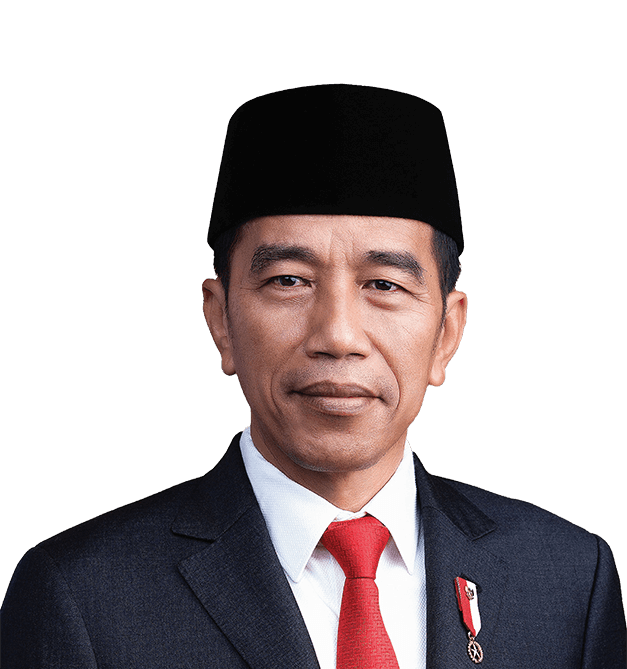
Joko Widodo
The 7th President of the Republic of Indonesia
Periode Jabatan 2014 – 2024
“This is a great aspiration and a major undertaking that we are about to begin—the development of Ibu Kota Nusantara. I extend my deepest gratitude to the MPR, DPR, Supreme Court, Constitutional Court, Audit Board, Judicial Commission, and all components of society for supporting the commencement of the development of Ibu Kota Nusantara. May the guidance and blessings of Allah SWT grant ease and smooth progress in building Ibu Kota Nusantara.”
Delivered during the Unification of Water and Soil Ceremony at the Zero Point of Ibu Kota Nusantara, 14 March 2022.
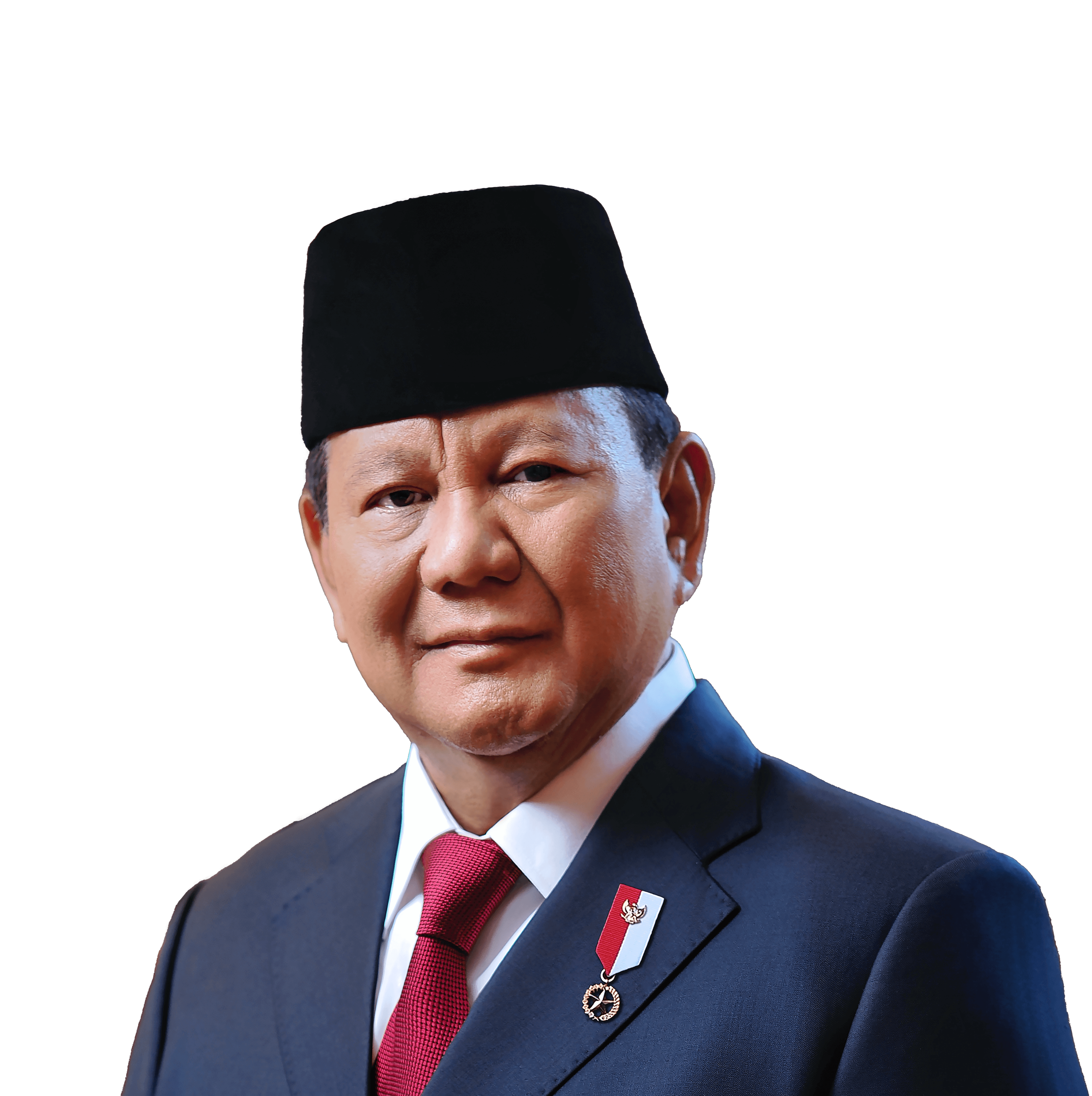
Bambang Susantono
Head of the IKN Authority
Periode Jabatan 2022 – 2024
“We indeed have two very important milestones, namely 2025 and 2028. By 2028, we will complete the development of infrastructure for the legislative and judicial sectors, including offices and official residences. Meanwhile, by 2025, should the Ministry of Administrative and Bureaucratic Reform (PANRB) direct the transition, we will be ready with housing, offices, and supporting facilities such as water, electricity, and commercial areas, enabling Civil Servants (ASN) to relocate to IKN.”
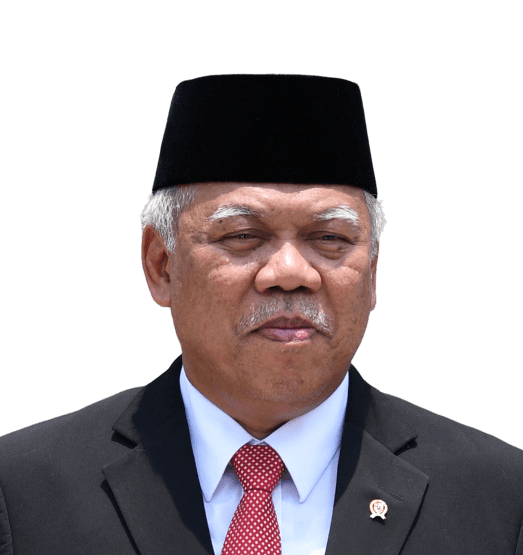
Basuki Hadimuljono
Head of the Nusantara Capital Authority
Periode Jabatan 2024 - Present
“We indeed have two very important milestones, namely 2025 and 2028. By 2028, we will complete the development of infrastructure for the legislative and judicial sectors, including offices and official residences. Meanwhile, by 2025, should the Ministry of Administrative and Bureaucratic Reform (PANRB) direct the transition, we will be ready with housing, offices, and supporting facilities such as water, electricity, and commercial areas, enabling Civil Servants (ASN) to relocate to IKN.”
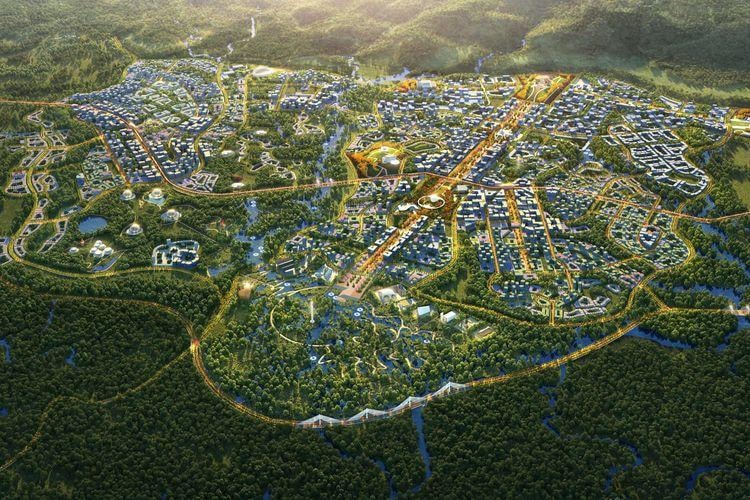
A Smart Green City for the Future
Nusantara is not merely a new capital, but a grand vision to realize harmony between nature, people, and technology. Every element is designed to create a livable, inclusive, and sustainable city for future generations.

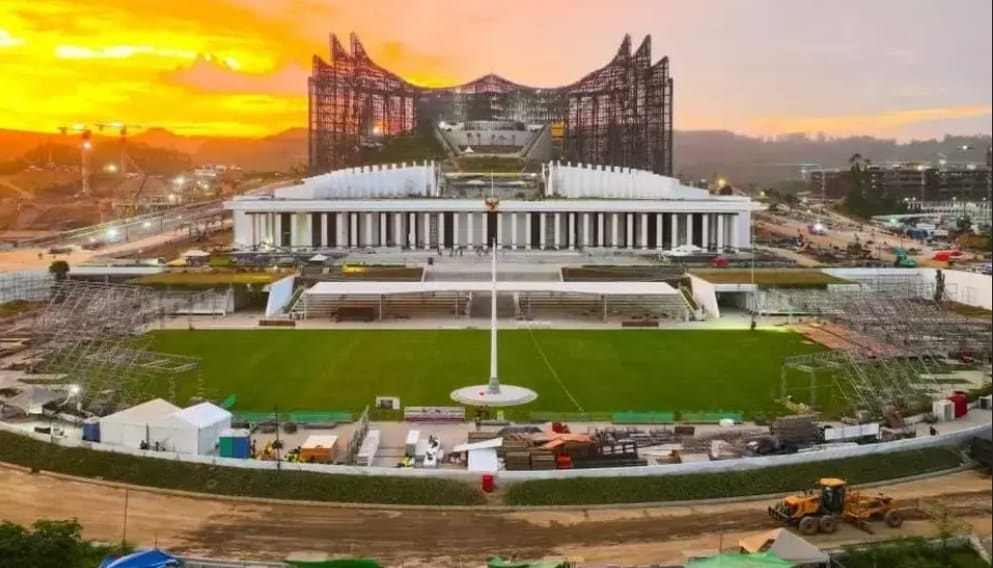
Progress of Nusantara’s Development
The first phase of Ibu Kota Nusantara’s development (2022–2024) has been completed, and the project has now entered the second phase, which will take place from 2025 to 2029.
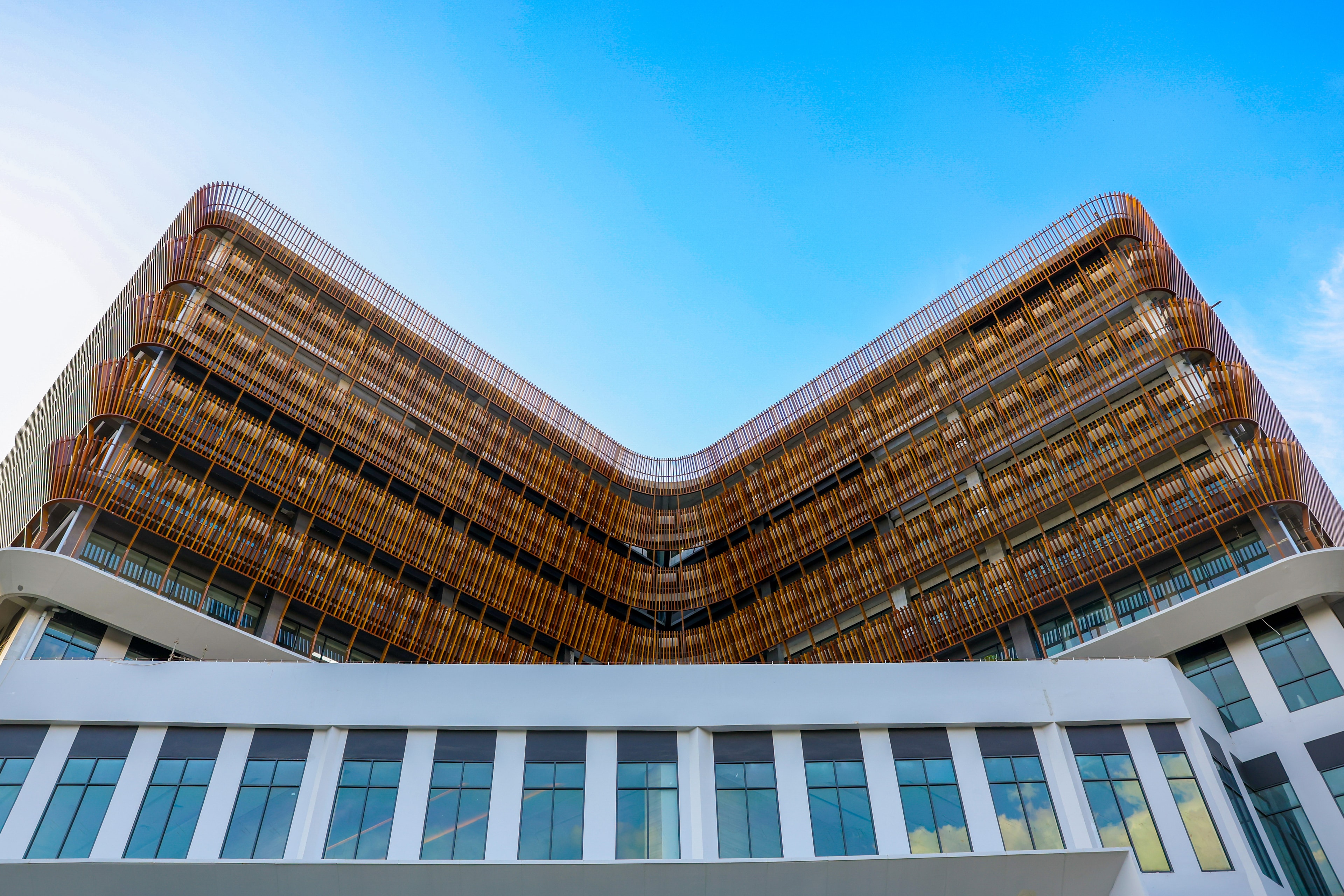
Gateway to Ibu Kota Nusantara
The initial stage of IKN development includes core infrastructure (Presidential Palace, MPR/DPR buildings, civil servant housing), as well as basic facilities for approximately 500,000 residents. The 79th Anniversary of the Independence of the Republic of Indonesia will be celebrated in IKN on 17 August 2024.
Nusantara as a Super-hub
Six Economic Clusters
The six economic clusters of Nusantara include Clean Technology Industry, Integrated Pharmaceuticals, Sustainable Agriculture, Ecotourism and Health Tourism, Chemicals and Downstream Products, and Low-Carbon Energy. These clusters are designed to create an innovative, resilient, and globally competitive green economic ecosystem.
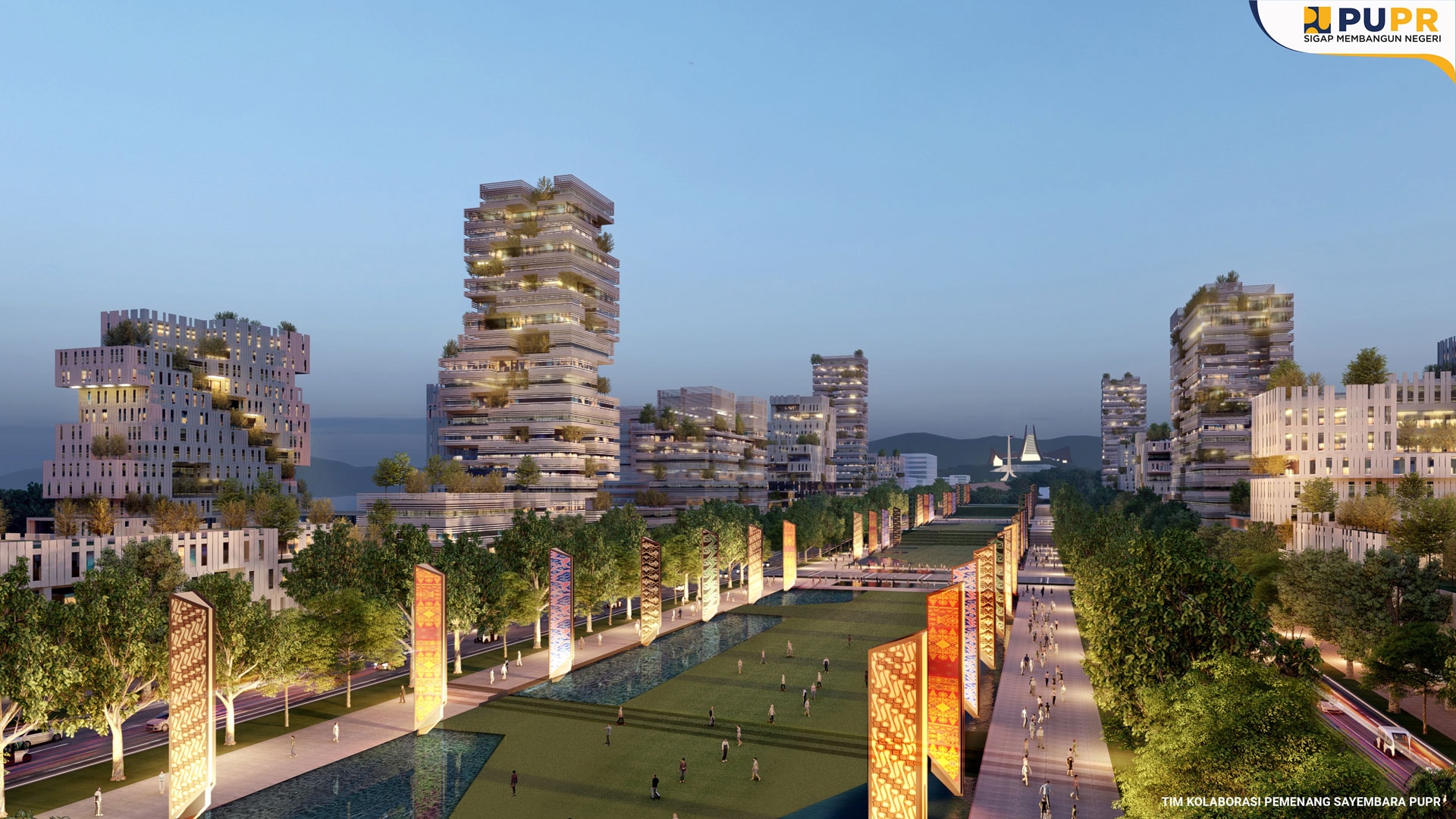
Clean Water Technology Cluster
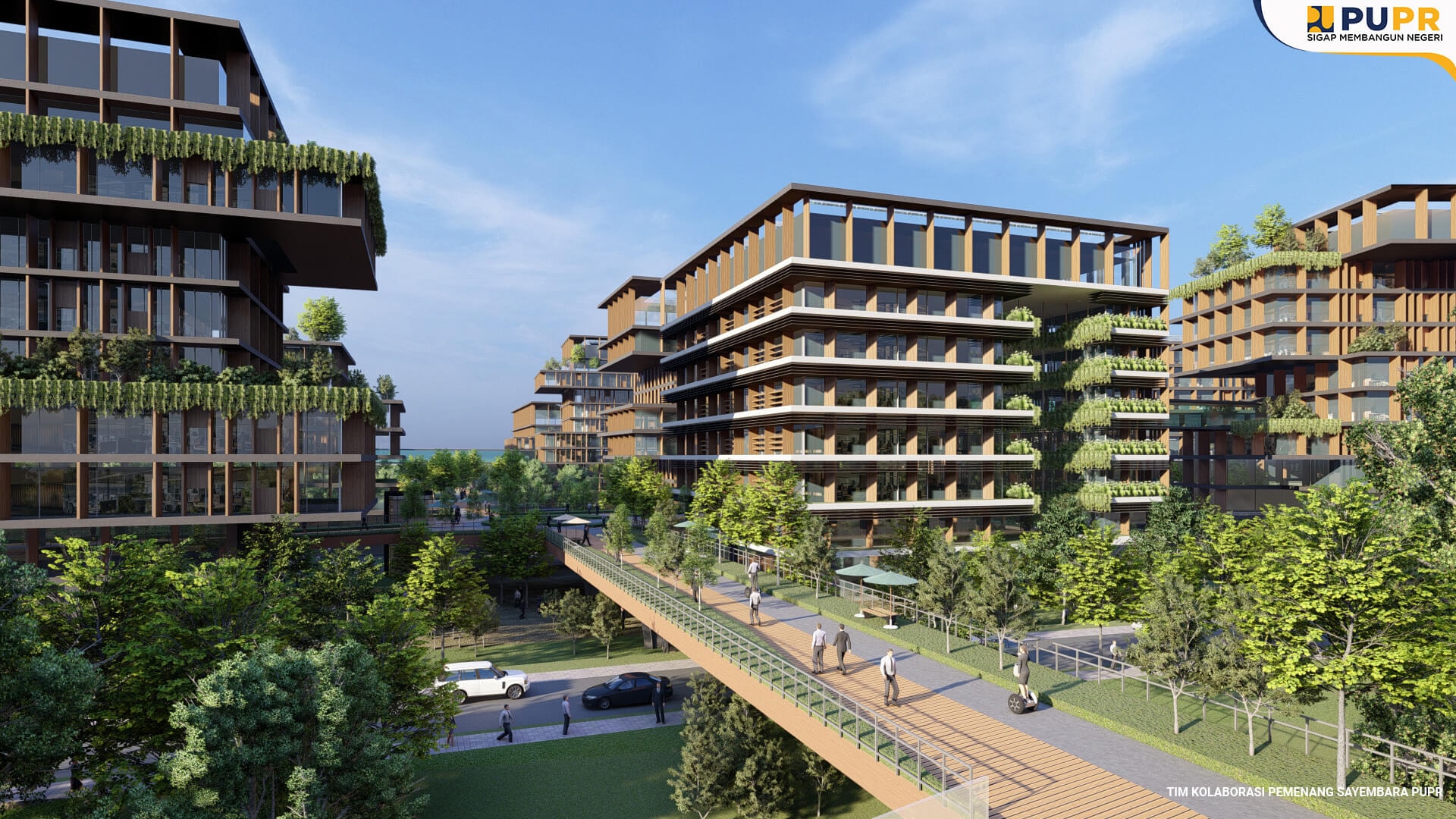
Two Supporting Clusters
The 21st Century Education and Smart City Cluster, along with the Industry 4.0 Center, serve as Nusantara’s intellectual and technological foundation—connecting research, innovation, and digital transformation to develop future-ready generations and strengthen a sustainable and adaptive smart city ecosystem.
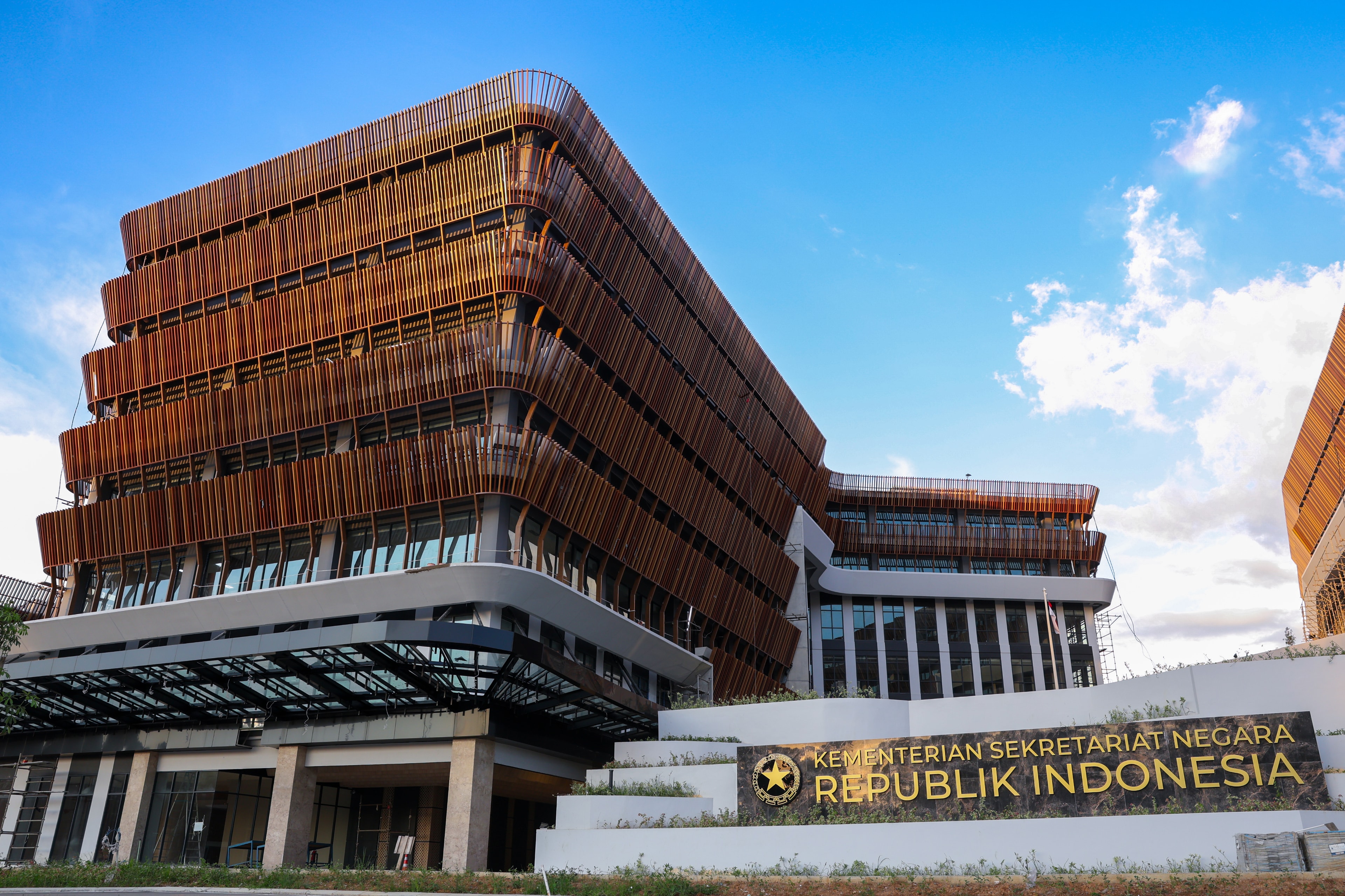
Education as the Foundation
Guidelines of Nusantara Capital City
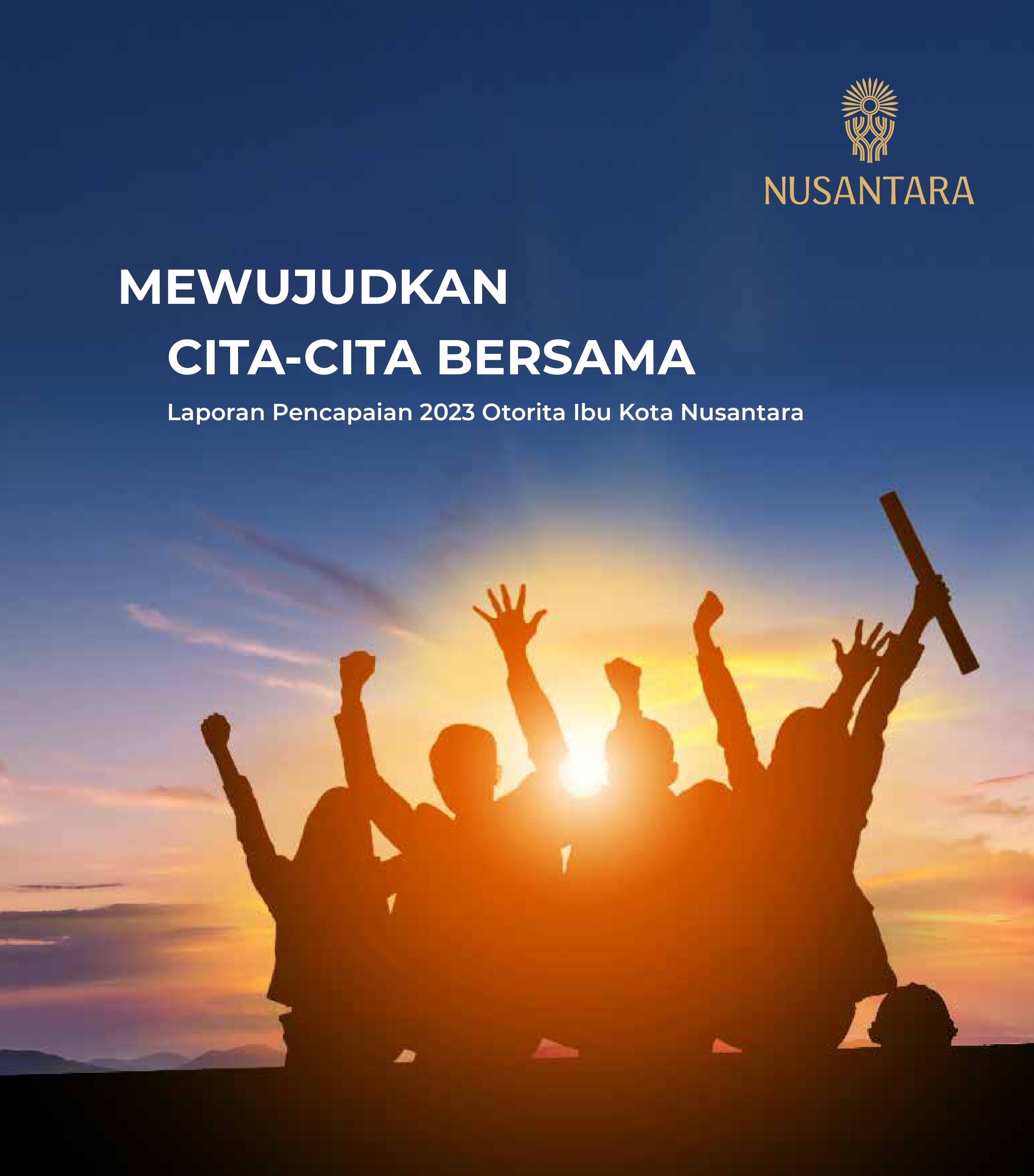
The 2023 Nusantara Capital Authority (NCA) Achievements Book
The 2023 Nusantara Capital Authority (NCA) Achievements Book provides a comprehensive overview of significant accomplishments in the development of Nusantara Capital City, as part of the Indonesia Golden Vision 2045. This publication highlights various aspects ranging from infrastructure, community empowerment, investment, to global partnerships successfully realized throughout 2023 in collaboration with the Nusantara Capital Authority.
The Smart Waste Management Technical Guidelines
The Smart Waste Management Technical Guidelines serve as a technical framework for intelligent waste management in Nusantara Capital City. This document encompasses the implementation plan for smart technologies in waste management, including the utilization of smart bins, intelligent waste transportation systems with smart fleet, and advanced waste processing at 3R MRF (reduce, reuse, recycle – material recovery facility) facilities. The ultimate objective of implementing these technologies is to establish a circular economy in Nusantara.
The Smart Water and Waste Water Management Technical Guidelines
The Smart Water and Waste Water Management Technical Guidelines constitute a technical reference for managing drinking water and wastewater through the application of intelligent technologies in Nusantara Capital City. SCADA (Supervisory Control and Data Acquisition) technology will be employed to monitor the quality of drinking water and wastewater. This monitoring is conducted through sensors installed at Water Treatment Plants, Wastewater Treatment Plants, distribution and transmission networks, as well as rainwater recycling systems. Consequently, water management from dams, intakes, reservoirs, transmission networks, distribution networks, to end consumers can be executed optimally.
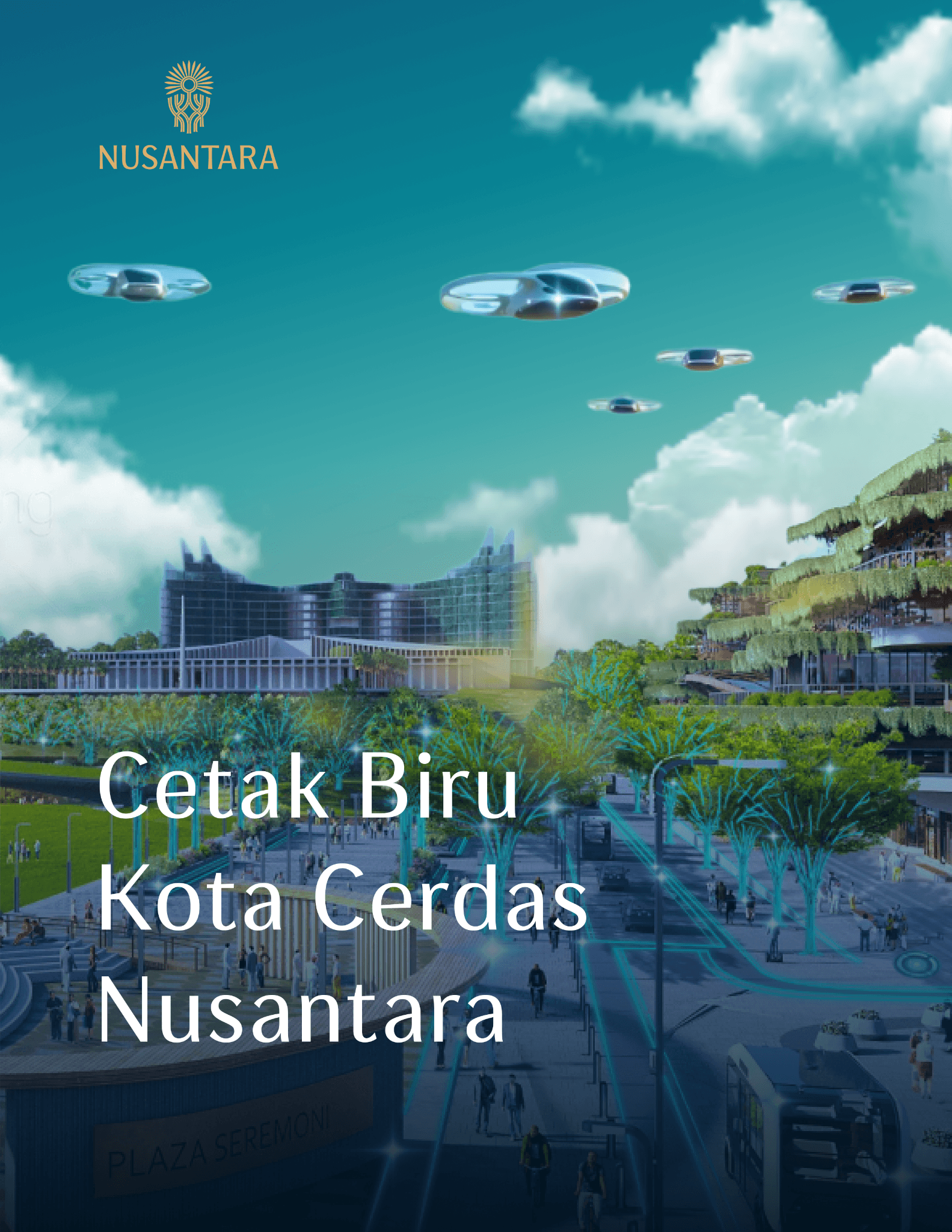
Nusantara Smart City Blueprint
The Nusantara Smart City Blueprint provides strategic guidance for designing, implementing, and maintaining smart city infrastructure in Nusantara Capital City. This document addresses innovative solutions and technologies to be implemented in developing Nusantara as a smart city.
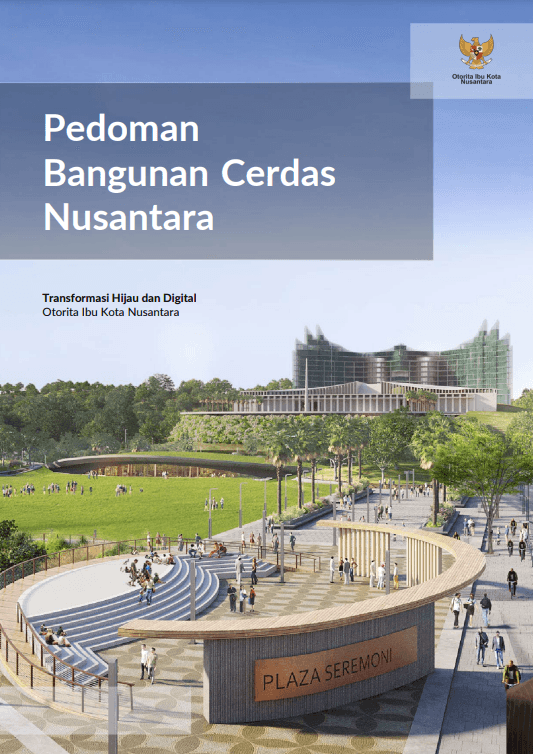
Nusantara Smart Building Guideline
The Nusantara Smart Building Guideline document aims to provide standard references for smart building developers in Nusantara Capital City. This document addresses sustainable development within the Indonesian context, Smart Building principles, sustainable resource management (energy, water, and air), as well as implementation guidelines in Nusantara.
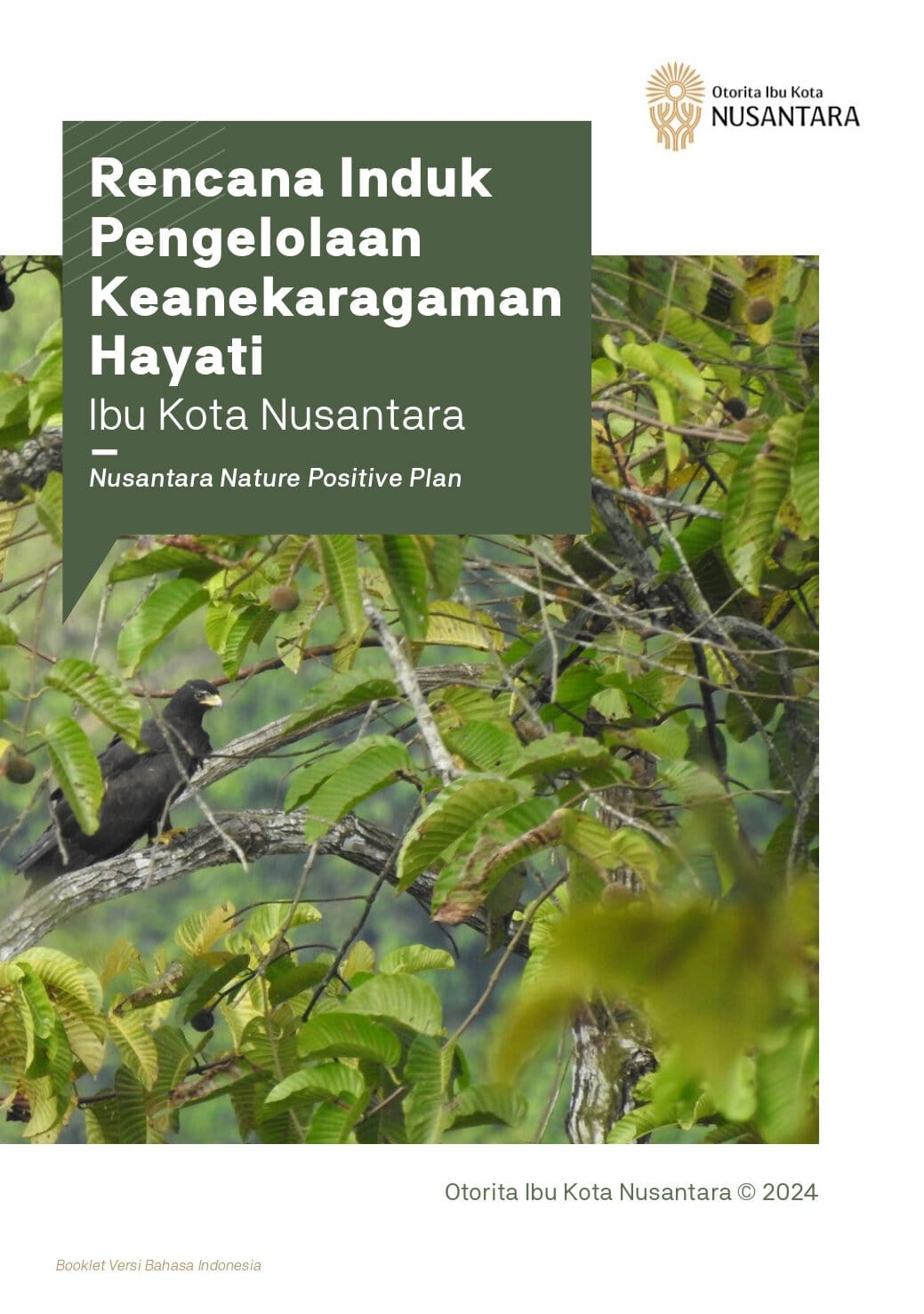
Nusantara Biodiversity Management Master Plan
The Nusantara Biodiversity Management Master Plan is a comprehensive strategy designed to preserve and enhance biodiversity within the ecosystem of Nusantara Capital City. This document encompasses measures such as habitat conservation, species protection, restoration efforts, and community engagement to promote sustainable management practices. This plan aims to address threats to biodiversity, mitigate impacts, and strengthen ecosystem resilience, with the ultimate goal of ensuring long-term environmental health and sustainability.
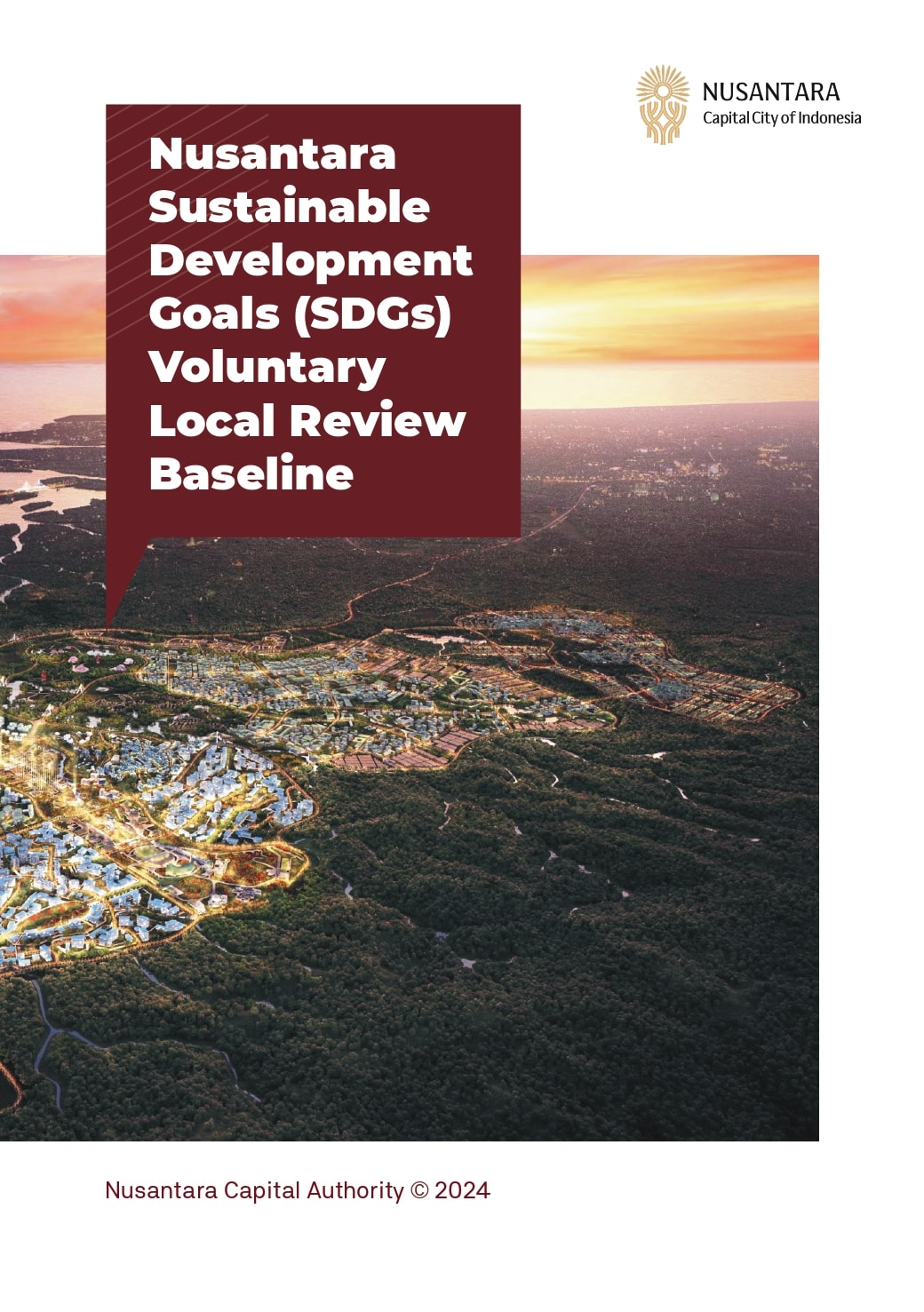
Nusantara Sustainable Development Goals (SDGs) Voluntary Local Review (VLR) Baseline
The Voluntary Local Review (VLR) will guide the implementation of Sustainable Development Goals (SDGs) within the master plan of Nusantara Capital City. The VLR is expected to assist the Nusantara Capital Authority in supporting sustainable development targets in East Kalimantan in alignment with the establishment of Nusantara, while also serving as a local initiative to implement SDGs more effectively.
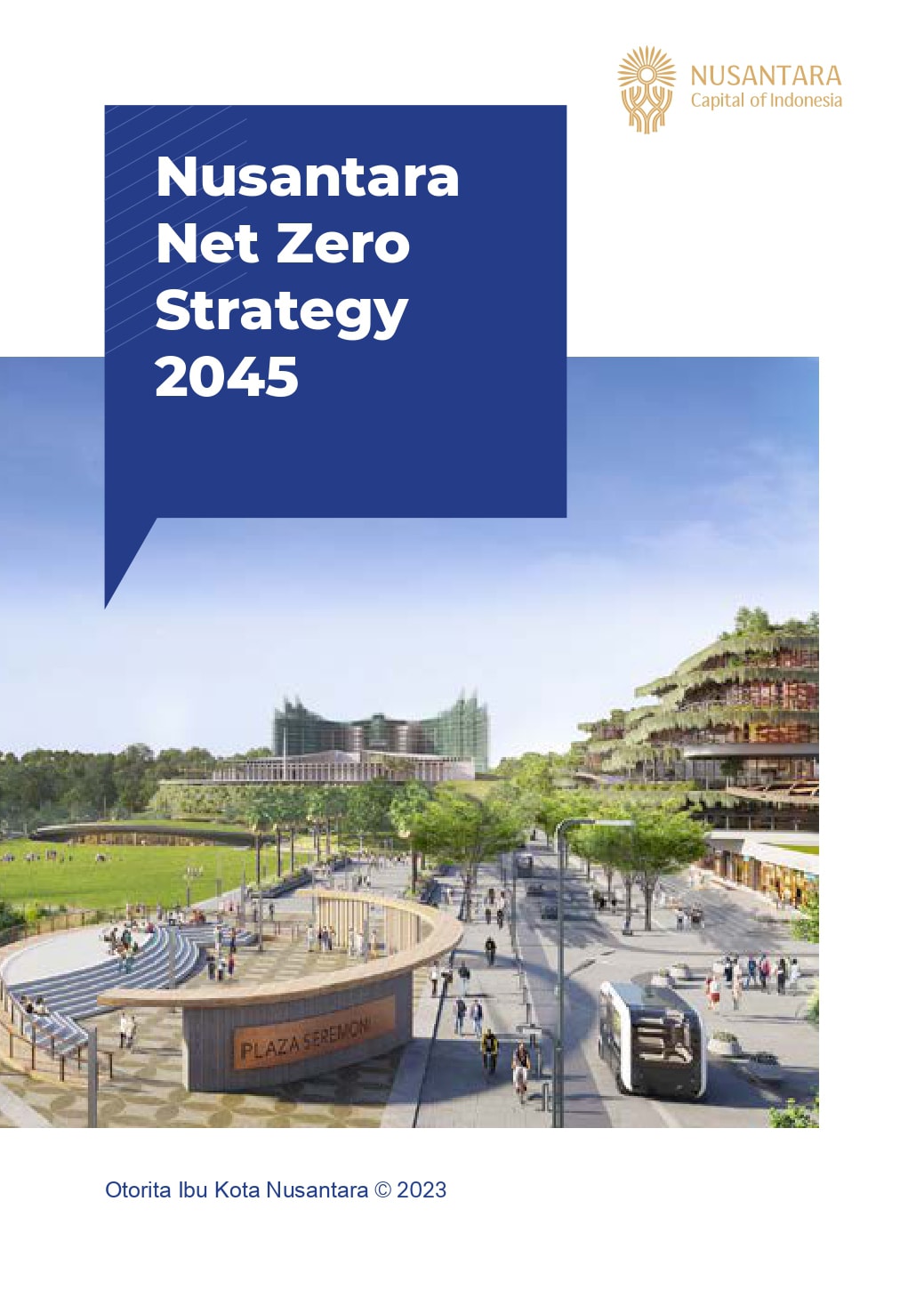
Nusantara Net Zero Strategy 2045
The Nusantara Net Zero Strategy, also referred to as the Regionally/Locally Determined Contribution (RLDC) document for Nusantara Capital City, is formulated as a development plan for Nusantara to achieve net zero emissions targets by 2045. This document contains a roadmap for six primary sectors in Nusantara, namely Forest and Other Land Use (FOLU), Agriculture, Waste Management, Energy, Industrial Processes and Product Uses (IPPU), and Construction.
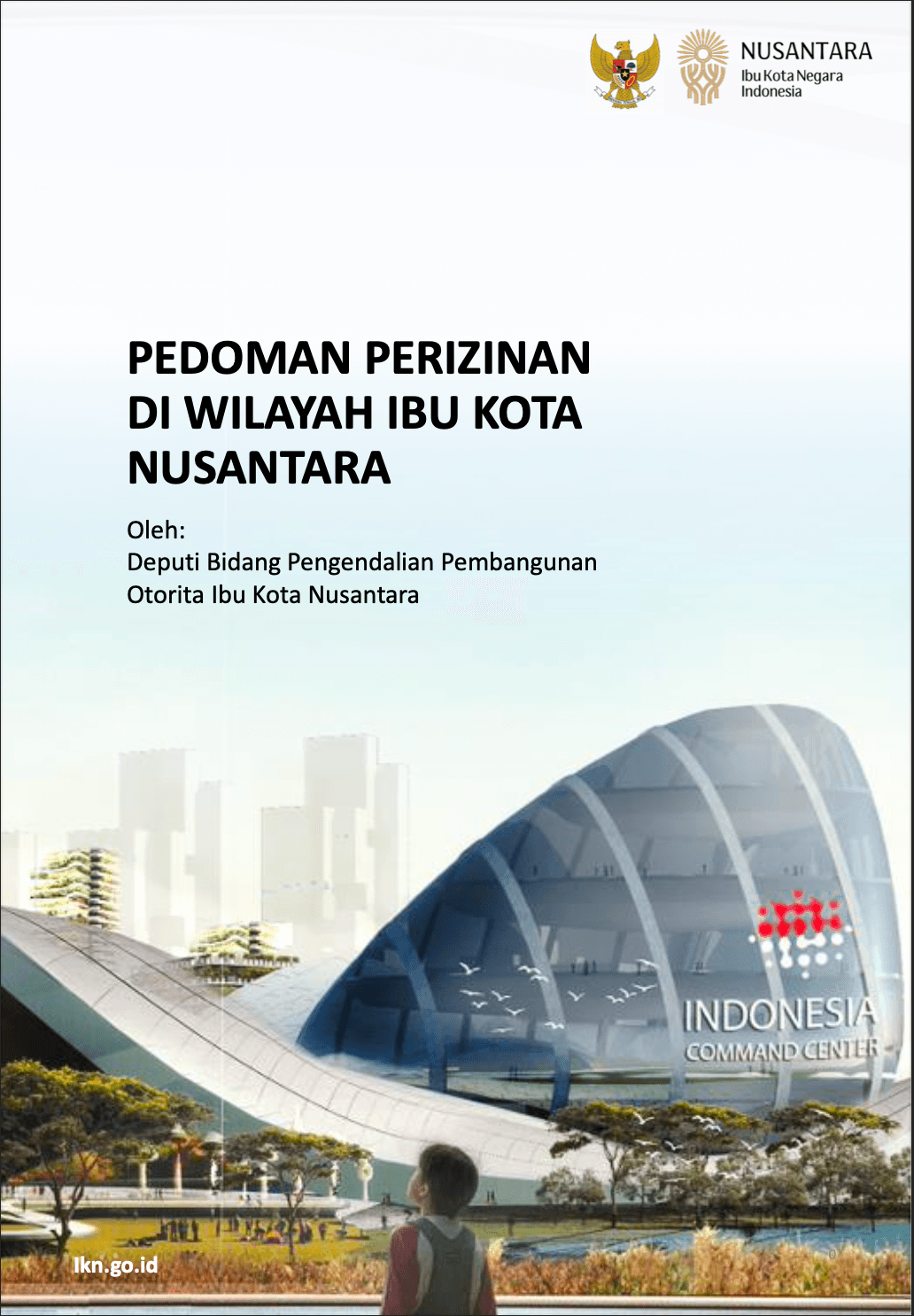
Nusantara Capital City Licensing Guidelines
The Nusantara Capital City Licensing Guidelines constitute a reference document governing licensing service mechanisms in the Nusantara region, encompassing business licensing through the OSS system and non-business licensing through the Nusantara Capital Authority master application. These guidelines aim to provide legal certainty, ease of doing business, and transparency for business entities and the community in establishing an integrated and accountable licensing system.
.jpg&w=3840&q=90)
.jpg&w=3840&q=90)